Ressources Cereya
Understanding ADHD in children
Reliable insights to help parents better understand everyday attention difficulties.
This collection brings together the insights parents need to put attention difficulties into context in their child's life: at home, at school, and in relationships.
The detailed resources are organized around these themes with an educational, cautious, non-diagnostic approach.

ADHD in children
Insights to observe, understand, and prepare useful questions.
Resources for parents
3 published guidesInitial insights
From initial questions to signs that can vary with age, this section helps organize observations without drawing isolated conclusions.

Does my child show signs?
Insights to distinguish a temporary difficulty from observations worth discussing.
Reading time: 8 min
Read the guide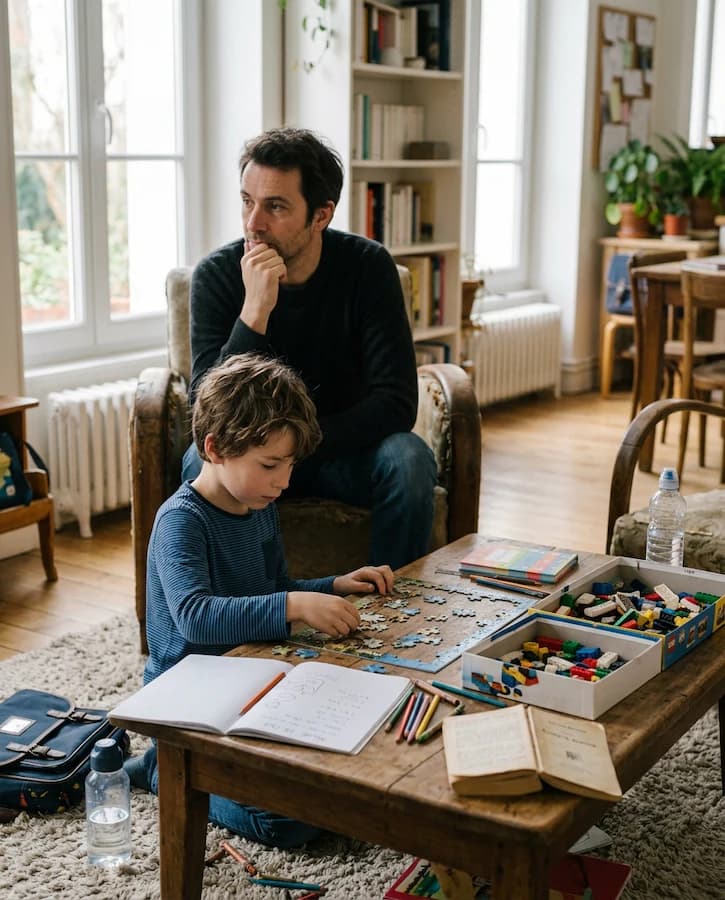
Signs by age
A developmental perspective that takes the child's age and context into account.
Reading time: 5 min
Read the guideWhen should you seek advice?
When and how to prepare a conversation with the professionals supporting your child.
Section pratique
View section
ADHD or occasional inattention?
Insights to understand what can affect attention before jumping to conclusions.
Reading time: 5 min
Read the guideResources for parents
12 published guidesFamily life, school, and relationships
Attention difficulties take on different meanings depending on the time of day, school demands, and the child's relationship environment.
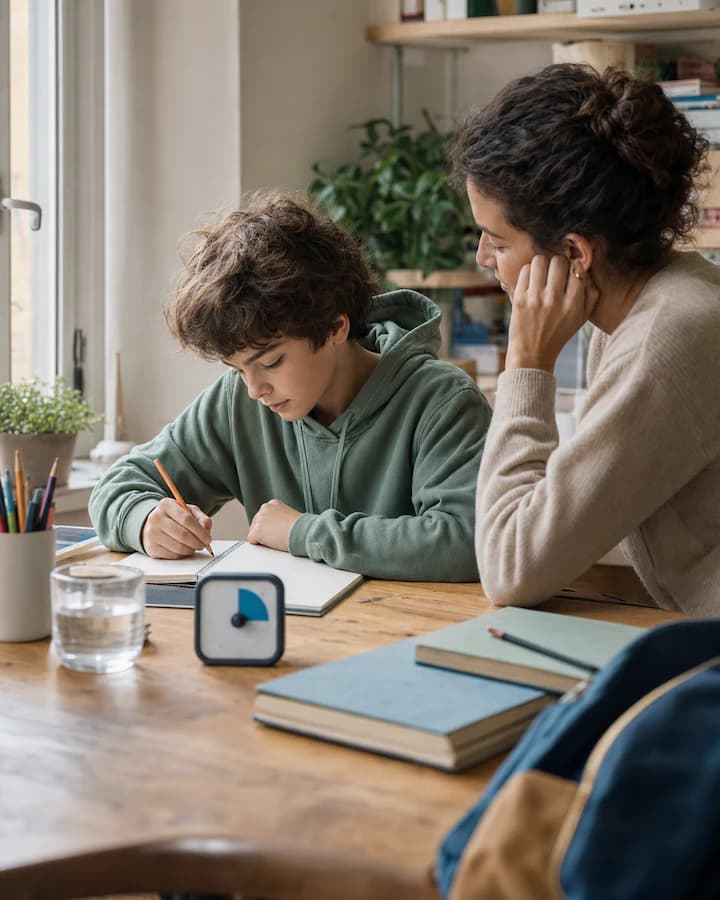
Inattention in everyday life
Attention, instructions, play, routines, and homework: observe concrete everyday situations.
Reading time: 5 min
Read the guide
Hyperactivity and impulsivity
Movement, rushing, and difficulty waiting: insights to understand without labeling.
Reading time: 5 min
Read the guide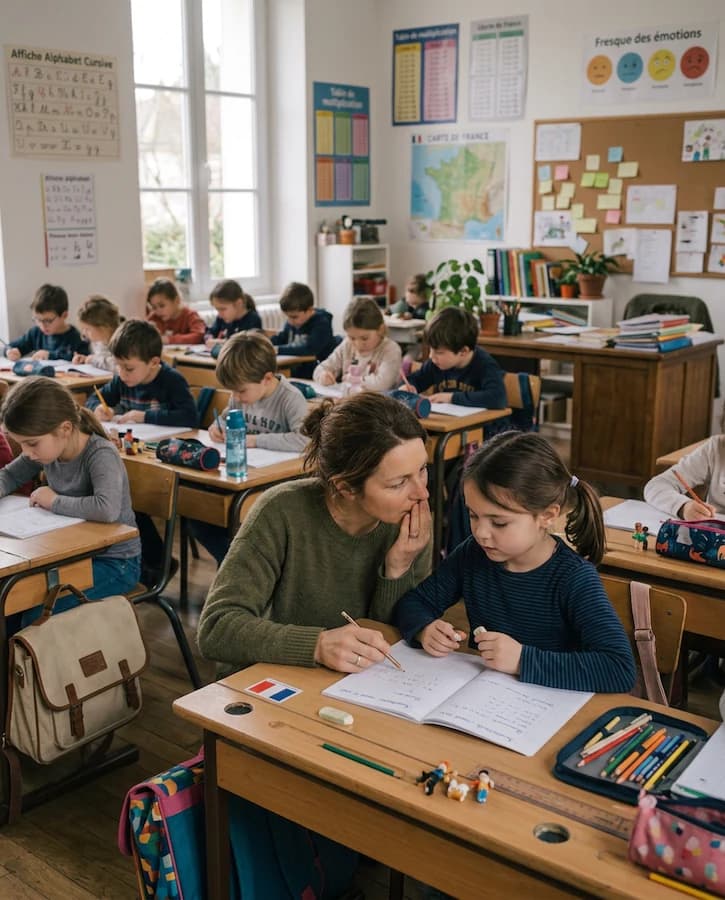
ADHD at school
Classrooms, homework, teachers, and adjustments: insights to improve conversations about your child's needs.
Reading time: 5 min
Read the guide
Emotions, relationships, and sleep
Frustration, social relationships, recovery, and sleep: put difficulties into context.
Reading time: 6 min
Read the guide
Support in everyday life
Routines, independence, sleep, and encouragement: find practical support without making your child feel guilty.
Reading time: 5 min
Read the guide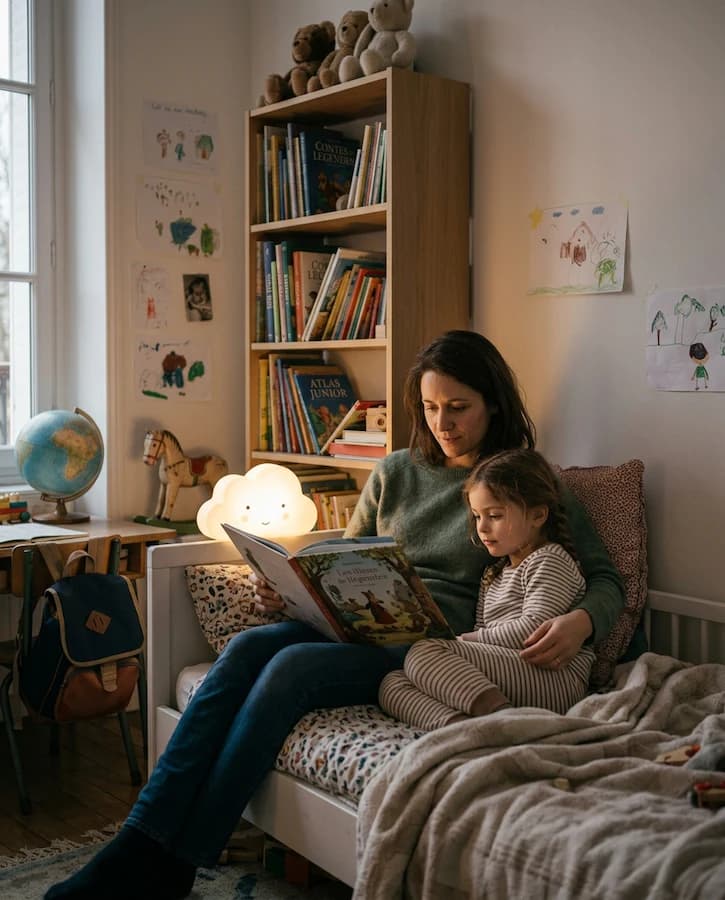
Sleep and ADHD in children
Bedtime, waking, fatigue, and attention: nuanced insights for observing sleep.
Reading time: 5 min
Read the guide
Homework with a child who has ADHD
Organization, instructions, fatigue, and independence: support homework without turning it into constant conflict.
Reading time: 4 min
Read the guide
Social relationships and ADHD in children
Friendships, emotions, impulsivity, and group activities: support relationships without blaming your child.
Reading time: 5 min
Read the guide
ADHD in teenagers
Independence, middle school, high school, sleep, and self-esteem: insights specific to this period of transition.
Reading time: 4 min
Read the guideScreens and ADHD in children
Attention, transitions, sleep, and family routines: understand digital habits without oversimplifying.
Reading time: 5 min
Read the guideADHD, anxiety, and related difficulties
Anxiety, learning, sleep, and emotions: understand similarities and difficulties that can coexist.
Reading time: 5 min
Read the guideResources for teachers
Observe, adjust instructions, and work with the family without labeling the student.
Reading time: 4 min
Read the guideResources for parents
7 published guidesPossible next steps and support
When a difficulty persists or has an impact, it can help to understand the possible next steps and whom to contact.

Diagnosing ADHD
The assessment process, multiple perspectives, impact, and limitations of screening questionnaires.
Reading time: 5 min
Read the guideAvailable support
Support available at home, at school, and from professionals, based on the needs observed.
Reading time: 5 min
Read the guide
When should you seek advice about ADHD?
When to seek advice, whom to contact first, and how to prepare a conversation without waiting for certainty.
Reading time: 5 min
Read the guide
School accommodations and support
Conversations with the school, educational adjustments, and cautious guidance on France's PPRE, PAP, and PPS support plans.
Reading time: 5 min
Read the guideTreatments for ADHD in children
Information, school, targeted interventions, and follow-up: understand approaches without setting the options against each other.
Reading time: 4 min
Read the guideADHD medications for children
Potential role, medical monitoring, effectiveness, and parents' questions, without dosage information or individual advice.
Reading time: 4 min
Read the guidePrepare for an appointment
Gather examples, school feedback, and useful questions before a consultation.
Reading time: 4 min
Read the guideResources for parents
The Cereya assessment
An informative assessment designed to support families and organize observations without replacing a diagnosis.
Cereya assessment
An assessment designed to better understand your child's attention difficulties
This assessment combines parent responses, the child's perspective, and age-appropriate exercises. It does not replace a diagnosis.